 how-to
How to Navigate AAFCO Meetings: A Step-by-Step Guide
Table of Contents
- Understanding AAFCO Meetings: Purpose and Structure
- Review the AAFCO Meeting Agenda Before You Attend
- Preparing for AAFCO Committee Meetings
- Navigating Registration and Attendance Options
- Accessing AAFCO Meeting Session Records
- Meeting Etiquette and Participation Best Practices
- Frequently Asked Questions
Last Updated: October 18, 2026
Understanding AAFCO Meetings: Purpose and Structure
The Association of American Feed Control Officials (AAFCO) meetings bring together regulators, manufacturers, and industry experts to shape animal food (animal feed and pet food) standards. The AAFCO drafts model regulations that States can adopt for governing how pet food and livestock feed are labeled, formulated, and sold nationwide.
These meetings happen annually and include midyear sessions, and they're where the policies are discussed and voted on by members. Committee meetings tackle topics like feed labeling, ingredient definitions, and safety protocols. Understanding the structure helps you participate effectively and track decisions that matter.
Sessions follow a formal agenda covering strategic affairs updates, committee work, and open discussion. Knowing where to find this information and how to prepare separates productive attendance from wasted time.
Review the AAFCO Meeting Agenda Before You Attend
Your preparation starts with the agenda. AAFCO publishes meeting schedules well in advance, so you know which sessions occur and which committees will address topics relevant to your work.
Where to Find the Agenda
The AAFCO website (aafco.org/events) is where the full meeting schedule and agenda will be posted for both annual and midyear meetings. Look for a dedicated meetings section under “Events” in the top menu. Meeting materials typically include:
- Event dates and times for each session
- Session/Committee meeting schedules
- Workshop topics and speakers (typically occurs before or after the main AAFCO meeting)
- Registration deadlines
- Virtual participation instructions
Download the agenda as soon as it's available, but check back for any revisions. Many attendees miss key sessions simply because they didn't review the schedule/agenda beforehand. Mark your calendar for sessions that directly affect your product line or regulatory concerns.
Key Agenda Items to Prioritize
Not every session matters equally. If you work in pet food, watch for sessions on pet food labeling and ingredient standards. If you manage livestock feed operations, track committee meetings on Animal Feed Committee and Ingredient Definitions. Sessions labeled Enforcement Issues often announce upcoming regulatory shifts.
Committee meetings are where decisions get made. These are smaller, focused discussions where specific standards get debated and revised. Attending relevant committee sessions gives you insight into how rules are developed. There are also occasions for members of industry to sit on and advise standing committees.
Preparing for AAFCO Committee Meetings
Committee meetings are the engine of AAFCO, where substantive work happens. Understanding committee structure and gathering the right materials beforehand positions you to participate meaningfully.
Understanding Committee Roles and Terminology
The AAFCO has multiple committees, each with a specific focus. The Pet Food Committee handles pet food standards, the Animal Feed Committee addresses livestock feed rules, and other committees cover Current issues, Education and training, Ingredients, Safety, Laboratory methods, and Labeling, among others. Within each, members hold roles like chair, co-chair, member, and recorder; knowing who leads which committee tells you who to contact with questions or proposals.
Terminology matters too. "Ingredient definitions" set rules for ingredient specifications, common or usual name, and labeling, "Enforcement Issues" refers to enforcement and compliance, and "Model Bill and Regulations" cover updates to AAFCO’s Model Regulations under the AAFCO Model Bill. Knowing these terms helps you follow discussions and ask informed questions.
Documentation and Materials to Gather
Bring or have access to:
- Overall Meeting Schedule and Committee Agendas
- Previous meeting minutes if your products were discussed
- Any Letters from State or Federal regulators related to Committee agenda items
- Notes on changes you're planning to your product line
- Industry guidance documents relevant to your ingredient category
Come prepared with relevant scientific data and regulatory information to effectively ask questions or offer recommendations to the Committee(s) of interest.
Navigating Registration and Attendance Options
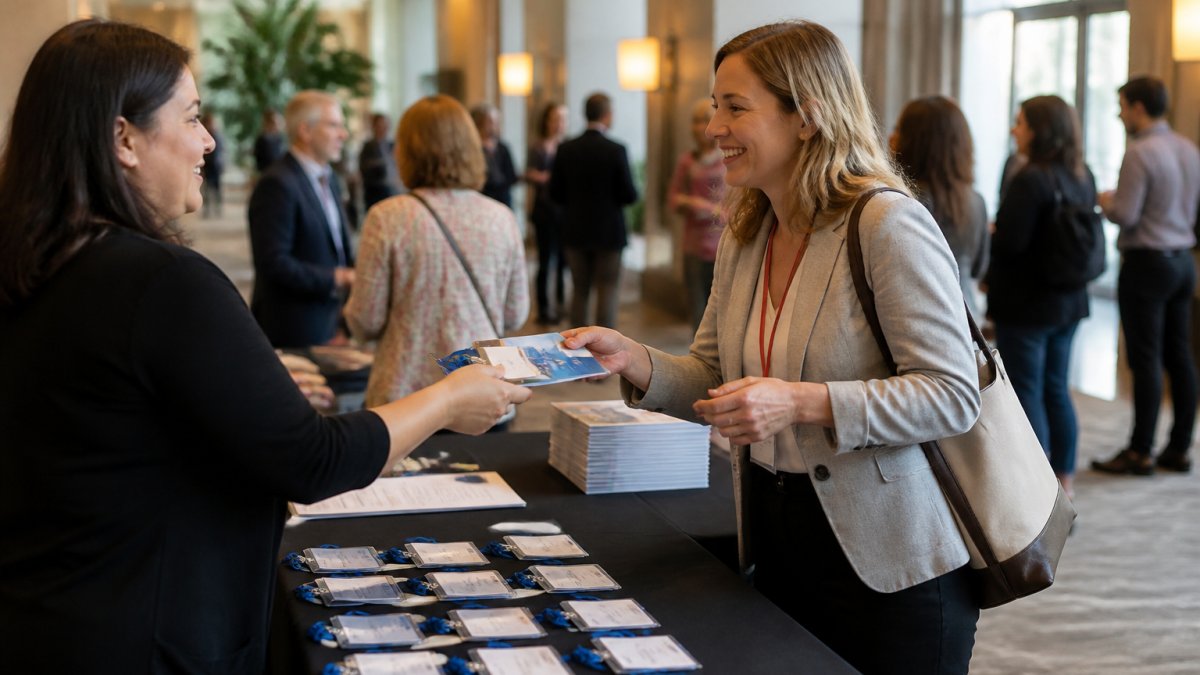
The AAFCO website publishes meeting-specific registration pages, and the registration type you choose determines which sessions/workshops you can access. Frequently there is an optional Workshop before or after the formal AAFCO meeting. Treat it as a three-step process: confirm your attendee category, complete the online form before the deadline, and verify your access credentials before the meeting opens. Note that registration fees vary based upon role as member of industry, a regulator, academia, or consumer. Rates also change based upon early, standard, or late registration. Register early for the best rates. If you are attending in person, also look for discounted conference rates at the host hotel.
In-Person vs. Virtual Participation
In-person attendance is the only way to move between committee rooms, join hallway conversations, make connections, and ask questions in real time.
Virtual participation is a legitimate option when travel isn't feasible, but it comes with trade-offs.
Full meeting registration is the standard option for industry professionals. It covers all sessions and attendee-only materials (print copies available for an added charge). Single-session or workshop-only registrations exist for some meetings.
Accessing Attendee-Only Materials
The AAFCO restricts certain materials to regulators only or to registered attendees only, including workshop handouts and background materials. Once you register, you receive login credentials to the attendee portal. Log in before the meeting starts so you can download agendas and address any technical issue prior to the meeting starting.
Download what you need while access is open, and keep copies of agendas, committee documents, and minutes in your regulatory files so you can track how a proposal moved from one meeting to the next and how your product line will be impacted.
A Practical Registration Checklist
- Confirm the meeting dates
- Identify the committees whose agendas touch your products.
- Register before the published deadline and save your confirmation.
- Log in to the attendee portal and download the agenda and committee documents.
- Note the public comment deadlines and submission instructions (particularly for the Common Food Index).
- Block your calendar for the specific sessions you plan to attend.
Accessing AAFCO Meeting Session Records
Meeting minutes are the official records of committee actions, usually published within weeks of the meeting, showing what proposals were made, what concerns were raised, and what decisions were reached.
Seven Hills Regulatory Services, LLC reviews meeting records to track regulatory trends affecting our clients. We help you interpret what changes mean for your products and compliance obligations.
Schedule a Free 30-minute Consultation →
Meeting Etiquette and Participation Best Practices
Public Comment and Participation Guidelines
Most AAFCO meeting sessions include public comment periods that are usually brief, typically 3 to 5 minutes per speaker. Come prepared with a focused message. A public instant messaging chat is also often available for attendees to provide comment in real time.
A common pattern is that the most effective comments do three things: they tie directly to an item on the agenda, are relevant tot he discussion on the floor, and they offer a specific insight or offer an alternative rather than only opposition.
Common Meeting Etiquette Standards
Arrive on time. Silence your phone. Take notes, but don't record sessions without permission, since most AAFCO meetings prohibit personal recording and any official recordings (if any) are captured by AAFCO staff.
Respect the agenda. Committees have limited time. Questions should be relevant to the topic being discussed. If your question is off-topic, ask to schedule a separate discussion.
Network thoughtfully. AAFCO meetings are networking opportunities, but don't monopolize people's time or push sales pitches during formal sessions. Informal breaks and meals are better times for relationship-building.
Following a Proposal Through the Meeting
Understanding how a proposal moves helps you decide when to speak. A proposal is typically introduced in committee, discussed, and either advanced, held, or returned for more work, then the committee's recommendation moves to the full membership for action. Tracking a proposal across the annual and midyear meetings shows whether it is gaining support or stalling, so you can time your comments accordingly.
Our team of animal scientists, nutritionists, and former FDA scientists understands the regulatory landscape and can help you navigate complex standards affecting your products. Schedule a Free 30-minute Consultation to discuss how we can support your regulatory strategy and help you stay ahead of FDA and AAFCO developments.
Frequently Asked Questions
What happens at an AAFCO meeting?
AAFCO meetings bring together State feed control officials, FDA, Industry representatives, and other Stakeholders to discuss animal feed and pet food ingredients, labeling, safety standards, and regulatory updates. Committees meet to review proposed changes to the Official Publication, which contains the Model Bill and Regulations as well as a listing of Ingredient Definitions. Full participant sessions cover industry updates, strategic initiatives, and collaborative efforts to harmonize animal feed regulations across States. Attendees can access session meeting minutes to stay informed on decisions that affect animal food labeling requirements and compliance. There are also closed-door sessions that are for regulators only.
How do AAFCO meeting discussions affect animal food and labeling requirements?
AAFCO meetings establish consensus on labeling standards, ingredient definitions, and claim substantiation through committee work and full participant sessions. Decisions made during AAFCO meetings inform the Official Publication, which serves as the foundation for individual States to adopt. Changes discussed at committee meetings regarding animal food labeling requirements often influence how states regulate product labels, ingredient statements, and nutritional claims. Understanding these discussions helps manufacturers anticipate regulatory changes and align labeling strategies before new standards take effect.
Where can you find AAFCO meeting agendas and schedules?
AAFCO publishes meeting schedules and agendas on its official website (aafco.org/events), typically announcing annual and midyear meeting dates well in advance. The AAFCO meeting agenda details committee sessions, workshop topics, and full participant session times. Registered attendees can access detailed agendas through the website. Checking the AAFCO website regularly ensures you have current agenda as it can be updated prior to the meeting.
What should you prepare before attending an AAFCO meeting?
Before attending, review the full AAFCO meeting schedule to identify relevant sessions and committee agendas. Gather documentation related to your product category, labeling questions, or regulatory concerns. Prepare any questions or comments you plan to raise during public comment periods. If attending virtually, test your technology and log in early. For in-person attendance, arrange travel and accommodation in advance; AAFCO will often have conference hotel discounts and occasionally airline discounts. Consider scheduling informal consultations with regulatory experts (Consultants, FDA or States) to maximize your meeting value.